
Verification & Validation
The accuracy of a Physics AI model depends on the quality of its training data. Teams on the Luminary platform train Large Physics Models on data from Luminary solvers, from third-party or in-house solvers they have validated, and from experimental and operational measurements, in any combination.
This manual documents the verification and validation (V&V) of the Luminary physics solvers, for teams that generate training data with them. Its purpose is to demonstrate, on a growing library of well-characterized problems, that the solver computes correctly (verification, agreement with analytic and manufactured solutions and established numerical benchmarks) and that it predicts physical reality (validation, agreement with experimental measurement).
Each case is reproducible end to end: the geometry, mesh, and solver configuration are recorded alongside the results, and every reported quantity is compared against an authoritative reference, an analytic solution, a digitized published figure, or experimental data, with the source cited. Cases are organized by physical regime so that related problems sit together, and a coverage matrix summarizes which solver capabilities each case exercises.
Flagship benchmarks
Industry-standard prediction workshops Luminary entered and published on, recreated here from our peer-reviewed and public submissions.
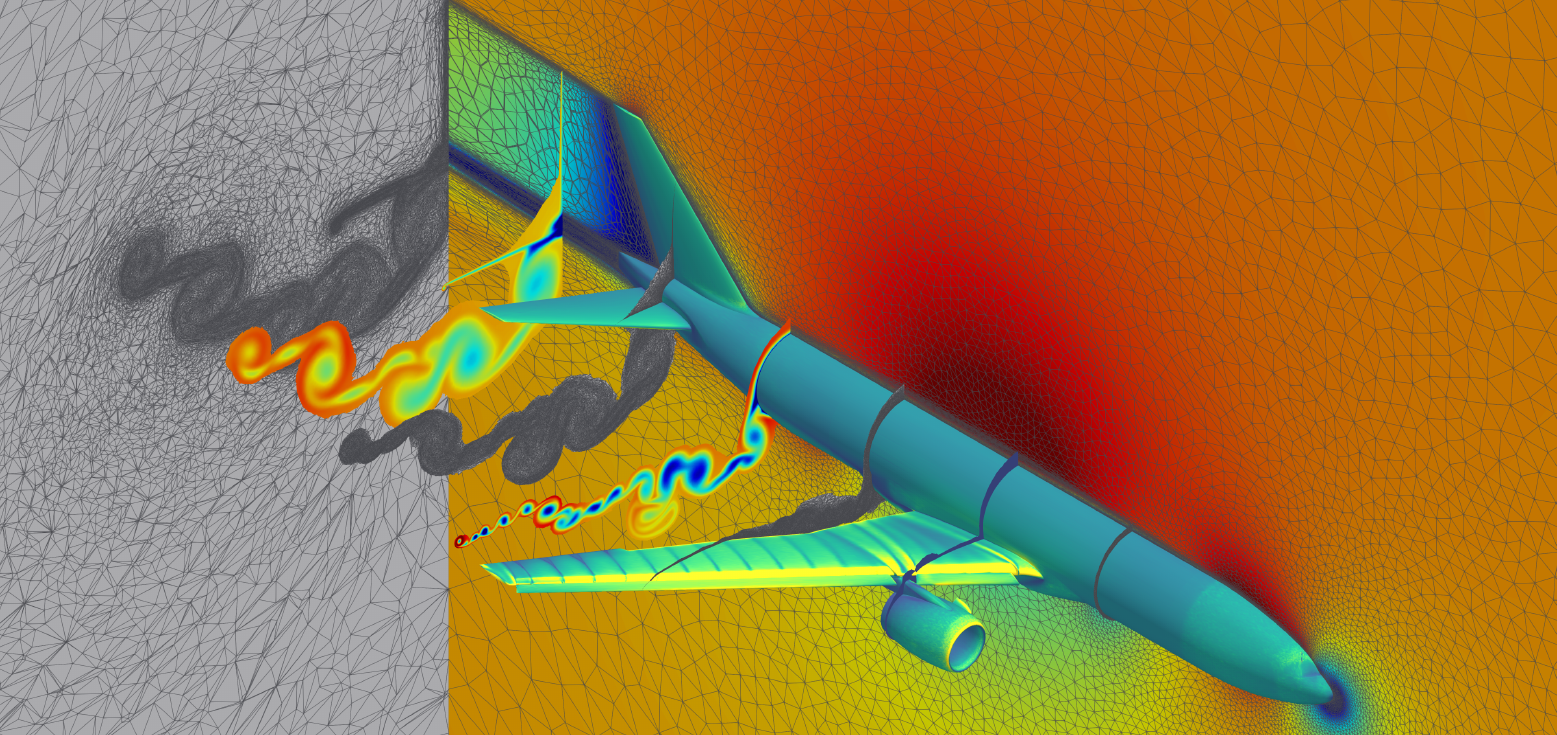
NASA CRM-HL: High-Lift Prediction Workshop 5
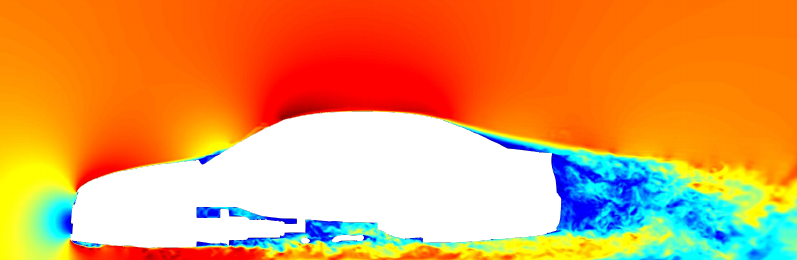
DrivAer: AutoCFD4 Case 2 (DDES)
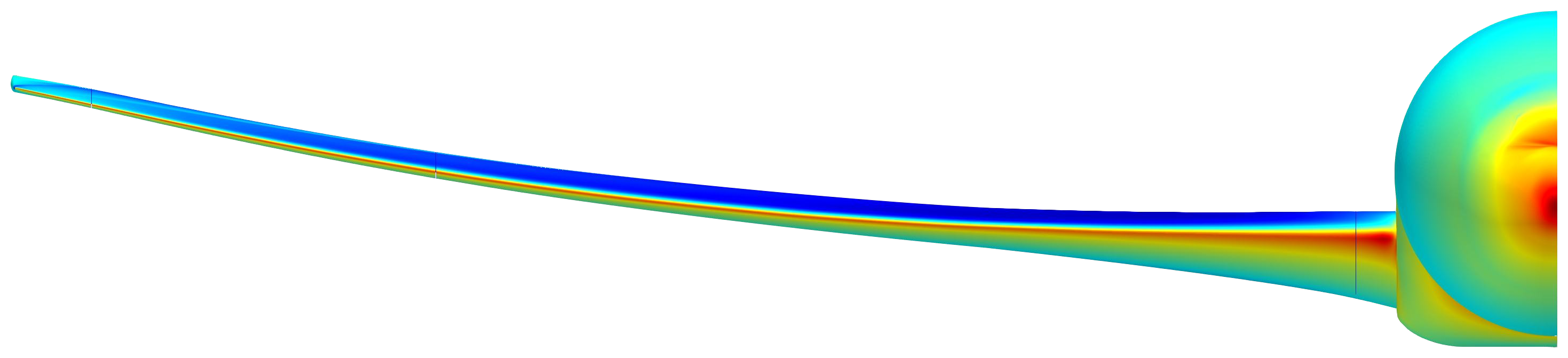
NASA CRM: AIAA Drag Prediction Workshop 6
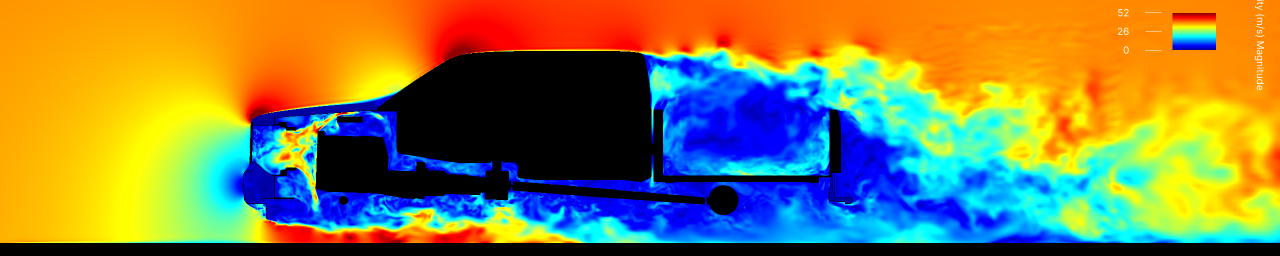
Generic Truck Utility (GTU): DDES
Capability coverage
18 of 18 tracked solver features exercised across 56 case(s). Click any feature (a column header below, or a keyword on a case) to filter the cases and coverage matrix.
Swipe the table sideways to see all features.
Cases
Inviscid 7 cases
Laminar 19 cases
RANS (turbulent) 19 cases
DES / LES (scale-resolving) 5 cases
Conjugate Heat Transfer 2 cases
No cases match this feature.